

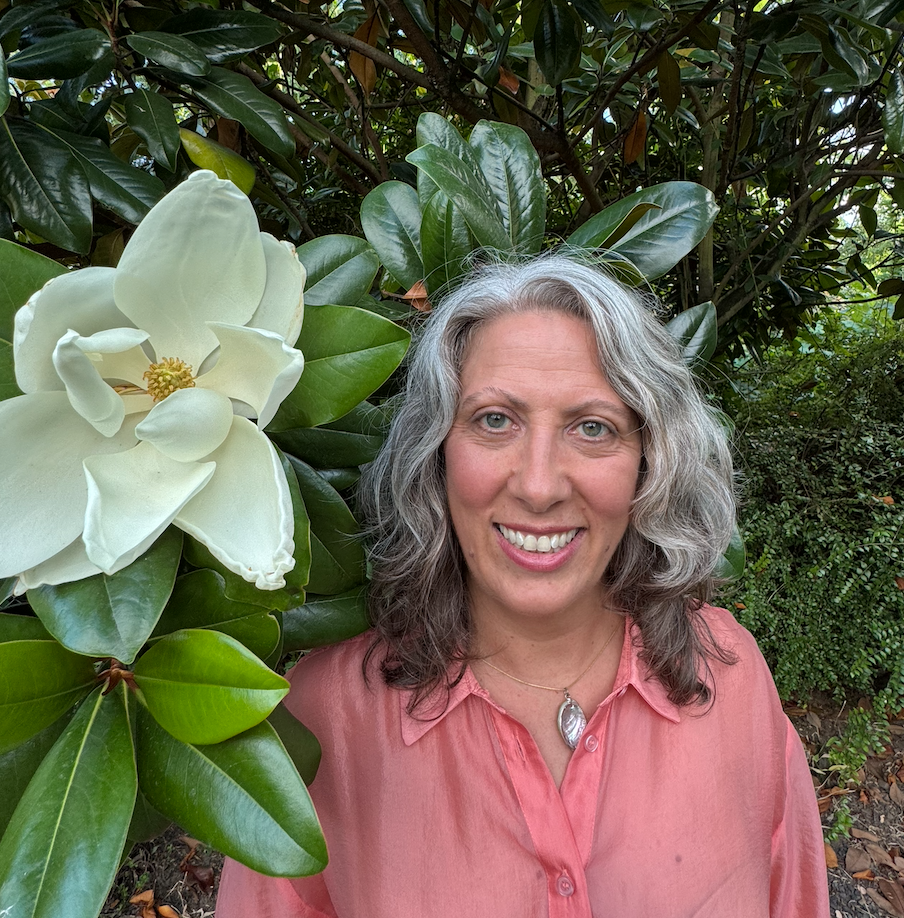
Lauren Bates has spent more than two decades helping organizations answer difficult questions.
How can we help teachers reach more students?
How can we get more people using energy-efficient products?
How can we be more effective at collaboration?
How should we decide what to do next?
Why isn't our program working?
Expertise
Trained in social and developmental psychology, Lauren is attuned to what her clients need. A former coach, teacher, trainer, and technical assistance provider, she understands how to make complex ideas and processes clear.
A seasoned researcher and evaluator, she has the creativity and diligence to design and carry out studies to help clients understand everything from the intricacies of market dynamics to the nuances of great instruction.
Lauren gets up in the morning to help clients make order from chaos, change gridlock to momentum, and transform data to insight and action.
Psychology
Education
Market Transformation
Evaluation
Facilitation
Human-Centered Design
Methodologies Used
-
Illustrating a program’s theory of change and intended effects with a flow chart of cascading program activities, outputs, and outcomes. A good logic model helps a program team get clear on their priorities, timeline, and all the work needed to get results. Evaluators use logic models to understand programs and build evaluation studies.
-
Find and synthesize published information to learn about a topic, a program approach, a technology, a learning strategy, a type of study, or a market. This is a great place to start with training or program design. Save time and resources by learning what others know before beginning a new program or study.
-
Carefully designed questions asked over the phone, in person, on the web, or on paper. Effective surveys get unbiased, honest information from the right audience. Surveys can include traditional items like multiple-choice and open-ended questions, but also reactions to images, ranking options, and more.
-
Thoughtful and insightful conversations in person, on video, or on the phone. Unlike surveys, interviews can dig deeper into topics and ideas that come up organically. Experienced interviewers listen closely and shift the conversation to be sure all relevant information comes out.
-
Expertly facilitated group discussions used to reveal dynamics across diverse audiences or to bring out insights that a single person might not come up with alone. Focus groups can illuminate how people in different roles can find common cause or show stumbling blocks to collaboration that need to be remedied.
-
Watching and listening to training sessions, events, technology use, product installation--anything at all, whether in real life or online--to understand how it works and how it could be improved. To be useful, observations need a structured approach to focus the observer's attention on the most important details.
-
Evidence-filled descriptions of people, places, activities, and even entire programs that bring together information from many sources to present a useful and complete summary of the "case."
-
The most rigorous type of study, which can show cause and effect between a program or activity and specific outcomes. Quick RCTs are also known as A/B tests and can be very helpful for iterative testing of program ideas.
-
A strong study design that can suggest cause and effect when randomization isn’t possible. QEDs use comparison groups and sophisticated statistics to reveal impact.